In today’s fast-paced digital landscape, visual storytelling has emerged as a captivating and influential form of communication in design. Through compelling images, animations, and designs, visual storytelling weaves narratives that leave a lasting impact on audiences worldwide.
From the enchanting creations of animation studios to the artistic flair of 2D animation production and the life-infused logos from animation services, let’s embark on a fascinating journey, exploring the significance, impact, and best practices of visual storytelling in design.
The Magic of Visual Storytelling

Visual storytelling is a powerful art that transcends traditional language barriers to convey stories and messages. Throughout history, humans have been captivated by stories, passing them down through generations. When these narratives are brought to life through visuals, the emotional connection becomes even more profound. Visual elements add depth, meaning, and richness to the story, engaging multiple senses and capturing our imagination.
The Emotional Impact
A key strength of storytelling lies in its ability to evoke emotions in viewers. An animation that portrays the triumph of the underdog, a logo that exudes warmth and trust, or a design that stirs up nostalgia can all create a powerful emotional response.
By tapping into the audience’s emotions, visual storytelling can leave a lasting impression, strengthening brand loyalty and fostering connections that go beyond a simple transaction.
Power of Animation Studios
Enter the captivating realm of 3D animation studios, where imagination knows no bounds. These creative hubs harness cutting-edge technology and software to breathe life into characters and mesmerizing environments. The keen attention to detail and artful storytelling in 3D animations take audiences on thrilling adventures that transport them to worlds beyond their imagination.
For example, think of the fantastical landscapes and endearing characters in blockbuster animated movies like “Toy Story,” “Frozen,” or “The Lion King.” These films not only entertain but also evoke a wide range of emotions, creating a profound connection with audiences of all ages.
The Timeless Charm of 2D Animation
In contrast to 3D animation’s realism, 2D animation embraces artistic creativity and simplicity. Skilled artists bring characters to life through hand-drawn artistry, capturing the essence of each personality and story. This classic form of animation has a timeless charm that continues to captivate audiences worldwide.
Consider the beloved characters and heartwarming tales of iconic 2D animated films like “The Little Mermaid,” “Aladdin,” and “Beauty and the Beast” by Disney. The artistry and attention to detail in each frame create an enchanting experience that stands the test of time.
Infusing Brands with Personality
Logos serve as the face of brands, and logo animation services elevate them to new heights by infusing them with life and personality. Animation experts add dynamic movement to static designs, creating animated logos that leave a lasting impression on viewers.
A well-executed logo animation not only catches attention but also effectively communicates a brand’s identity, values, and mission, solidifying its position in the minds of consumers.
Think of iconic brand logos like Coca-Cola’s dynamic ribbon, Nike’s iconic swoosh, or Apple’s sleek apple logo. The animations associated with these logos create a sense of familiarity and evoke the brand’s personality, leaving a lasting impression in the minds of consumers.
The Art and Technology Fusion
Visual storytelling in design is a harmonious blend of artistry and technology. Talented animators, illustrators, and designers use their creative prowess to craft visually stunning narratives. With advanced software and tools as their canvas, they bring their visions to life. This fusion of art and technology results in mesmerizing and impactful creations that captivate and engage audiences worldwide.
The advancements in technology have opened up new possibilities for visual storytelling. From sophisticated animation software to powerful design tools, artists can now bring their ideas to life with greater ease and precision. This creative freedom empowers designers to explore innovative techniques and push the boundaries of visual storytelling.
Impact Across Industries
The versatility of visual storytelling makes it a valuable asset across multiple industries. In the entertainment sector, animated movies and TV shows continue to captivate audiences of all ages. These narratives not only entertain but also convey powerful messages, imparting valuable life lessons and sparking conversations.
In the advertising world, visual storytelling plays a pivotal role in creating memorable and effective campaigns. Advertisements that use emotionally compelling visuals are more likely to resonate with audiences, leading to increased brand recognition and consumer engagement.
Educational materials and e-learning platforms are leveraging visual storytelling to enhance the learning experience. Complex concepts are simplified through engaging animations and infographics, making learning more enjoyable and accessible to students of all ages.
Navigating the Future of Visual Storytelling
As technology continues to evolve, the future of visual storytelling holds exciting opportunities and challenges. Emerging technologies like virtual reality (VR) and augmented reality (AR) are transforming the way stories are told. Audiences can now immerse themselves in virtual worlds, interact with characters, and become active participants in the narrative.
The potential for personalized and interactive storytelling experiences is immense. Imagine exploring historical events as if you were there, or stepping into the shoes of a character in a novel. VR and AR open up new dimensions for creativity and engagement, offering storytellers unprecedented ways to connect with their audiences.
As we venture into this uncharted territory, creativity and innovation will shape the future of visual storytelling. Artists, designers, and storytellers will continue to push the boundaries of what’s possible, crafting narratives that captivate and inspire audiences for generations to come.
Best Practices for Engaging Visual Storytelling
To create compelling visual content that resonates with audiences, consider the following best practices:
- Know Your Audience: Understand your target audience’s preferences, interests, and pain points. Tailor your visual storytelling to address their needs and desires.
- Simplicity and Clarity: Keep your storytelling clear and concise. Avoid overwhelming viewers with excessive details. Instead, focus on delivering a cohesive and engaging narrative.
- Evoke Emotions: Connect with your audience on an emotional level. Use visuals that evoke feelings and convey the desired message.
- Consistency in Branding: Ensure that your visual storytelling aligns with your brand’s identity and values. Consistent branding builds recognition and trust with your audience.
- Compelling Visuals: Invest in high-quality visuals that capture attention and convey your story effectively. Crisp, well-designed visuals leave a lasting impact on viewers.
- Story Arc: Structure your visual storytelling with a clear beginning, middle, and end. Engage viewers from the start and conclude with a powerful message or call to action.
- Narrative Context: Provide context for your visual storytelling. Make sure viewers understand the setting, characters, and purpose of the narrative.
- User Experience: Optimize the user experience by ensuring that visuals load quickly and are mobile-friendly. A positive user experience enhances engagement and encourages sharing.
- Collaboration and Feedback: Work with a team to brainstorm and refine your visual storytelling. Welcome feedback from peers and your target audience to continuously improve.
The Psychology of Visual Storytelling
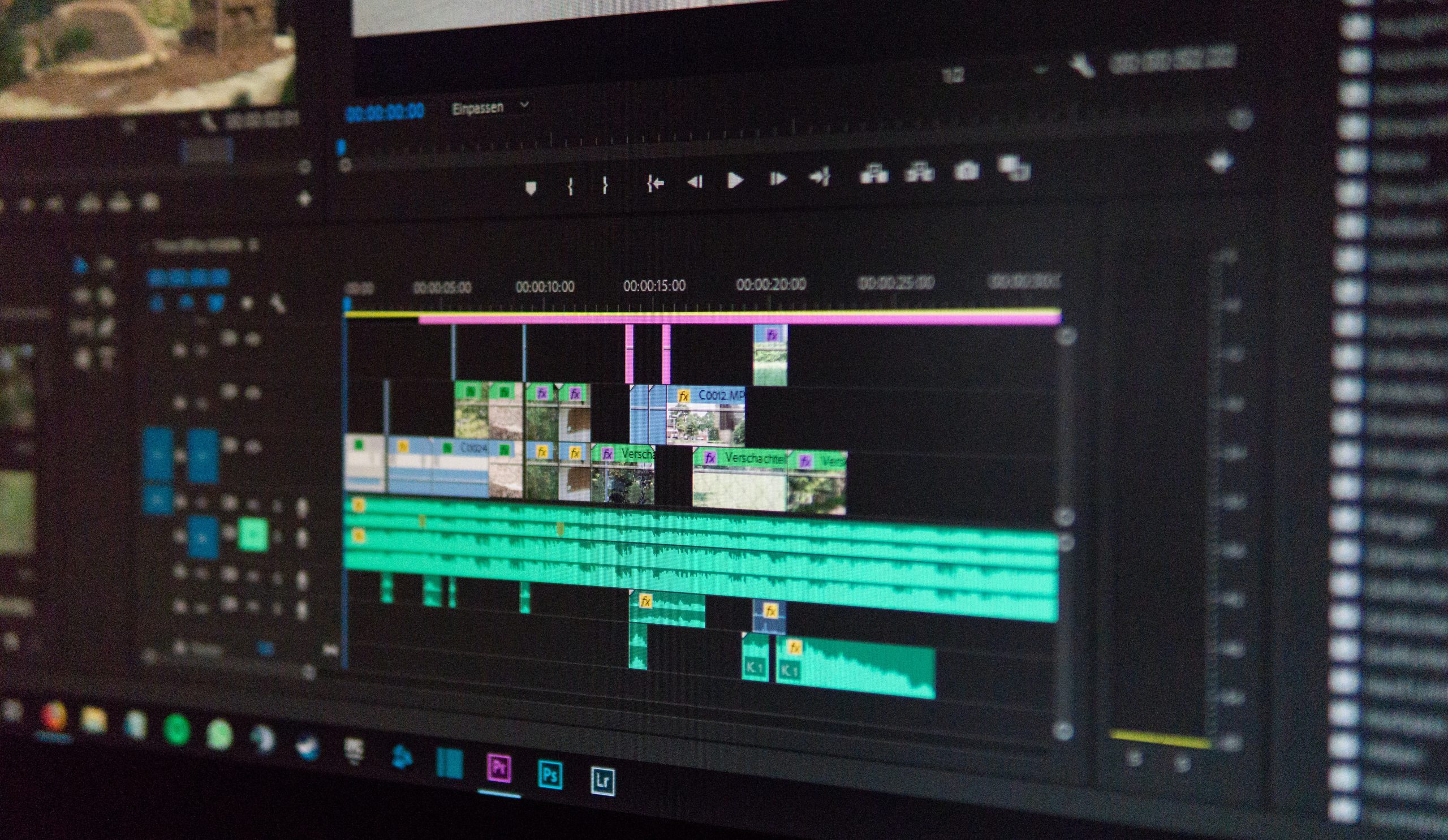
Storytelling goes beyond aesthetics; it taps into the psychology of human perception and cognition. Understanding the principles of psychology can enhance the impact of visual narratives and create more compelling storytelling experiences.
When crafting visual stories, consider the following psychological factors:
- Emotional Triggers: Visual elements, colors, and characters can evoke specific emotions in viewers. Understanding how different visuals trigger emotional responses can help you tailor your storytelling to elicit the desired feelings.
- Cognitive Processing: Human brains are wired to process information visually more efficiently than text. Utilize visual aids, infographics, and illustrations to convey complex concepts, making it easier for the audience to understand and remember the message.
- Story Arc and Suspense: Applying storytelling techniques like introducing conflict and building suspense can hold the audience’s attention and keep them engaged throughout the narrative.
The Role of Storytelling in Marketing
Visual storytelling plays a crucial role in modern marketing strategies, as businesses seek innovative ways to connect with their target audience. Brands leverage visual storytelling to create compelling marketing campaigns that leave a lasting impression on consumers.
- Brand Storytelling: Visual storytelling enables brands to communicate their origin, values, and mission effectively. By incorporating their unique story into marketing visuals, brands can build a deeper emotional connection with consumers, fostering brand loyalty.
- Social Media Engagement: Social media platforms are fertile ground for visual storytelling. Brands use eye-catching visuals and short animations to grab attention and entice audiences to engage with their content, leading to increased brand visibility and user interaction.
- Influencer Marketing: Collaborating with influencers in visual storytelling campaigns can amplify the brand message. Influencers have established connections with their followers and can create authentic visual narratives that resonate with their audience.
Wrapping Up
Visual storytelling in design has proven to be a powerful and captivating means of communication that transcends language barriers and leaves a lasting impact on audiences worldwide. Through compelling images, animations, and designs, visual storytelling ignites emotions, forges connections, and conveys messages in a way that words alone cannot achieve.
To create engaging visual storytelling content, it is essential to know your audience, keep the narrative clear and concise, and evoke emotions through compelling visuals. Consistency in branding and a well-structured story arc further enhance the impact of visual narratives.
In this ever-changing digital landscape, visual storytelling will continue to evolve and shape the way we connect with one another, leaving an indelible mark on our culture and society. It is an art form that has the power to inspire, provoke thought, and evoke a sense of wonder, reminding us of the shared human experience that transcends borders and languages.
So, whether you are an artist, a designer, or a consumer of visual storytelling, embrace the magic and potential of this art form. Let your imagination run wild, and together, let us continue to explore the boundless world of visual storytelling in design.