When indie game developers strive to market their titles, two of the most effective methods are constructing cinematic game trailers alongside in-game cutscenes. Each serves a unique purpose when telling a story: to immerse the player while simultaneously strengthening the bond the player has with the game.
Choosing the right format can impact your budget, development timeline, and marketing success.
In this article, we’ll help you discern when to use trailers and cutscenes, explain the differences between the two, and discuss how services like game cutscene animation, designed specifically for indie developers, can help with both.
[elementor-template id=”13845″]
What Are In-Game Cutscenes?
Cutscenes are scripted, non-playable sequences within your game engine. They’re usually triggered by game events and are used to:
- Reveal the story or character’s backstory
- Provide exposition or transitions between gameplay
- Deliver emotional or dramatic moments
They’re designed to immerse the player without breaking continuity. Good cutscenes feel like a seamless part of the gameplay.
What Are Game Trailers?
The main difference between the two is that cutscenes serve as animation sequences within the title tailored toward telling a specific part of the main narrative. On the other hand, game trailers showcase ‘marketing videos’—visual advertisements tailored towards showcasing your game on platforms like Steam, social media, or even YouTube, so that:
- Capture attention quickly
- Highlight visual style and core mechanics
- Tease plot and world-building
- Encourage wishlist adds or purchases
Unlike cutscenes, trailers often feature a curated mix of gameplay footage, animated content, or voiceovers. They can be produced entirely in-engine or externally with 2D or 3D video animation services.
Comparing Purpose and Impact
| Feature | Game Cutscenes | Game Trailers |
| Purpose | Story delivery during gameplay | Marketing and hype generation |
| Viewer | Players (in-game) | Potential buyers (external) |
| Format | Engine-integrated, interactive-feel | Edited video, cinematic appeal |
| Content Style | Dialogue-heavy, narrative scenes | Flashy, fast-paced, montage style |
| Frequency | Throughout game | 1–3 major releases (teasers/trailers) |
When Should You Use Cutscenes?
Use in-game cutscenes when:
- You need to convey complex story points
- You want emotional engagement between missions or levels
- You’re releasing a narrative-driven game (e.g. RPGs, adventures)
We discussed in Cutscene Production After Voice Acting how cutscenes evolve from scripts and character assets into cinematic storytelling. If you’ve got these elements ready, you’re set for cutscene production.
When Should You Use Game Trailers?
Use cinematic game trailers when:
- You need to build hype during pre-launch
- You’re running a crowdfunding campaign
- You want to pitch your game to publishers or stores
Trailers often blend 2D and 3D animation styles—something studios like Prolific Studio specialize in.
Production Differences
Cutscenes require:
- Scripting in Timeline/Cinemachine
- Voiceover syncing
- Camera logic that fits into gameplay
Trailers require:
- Storyboarding and montage planning
- Music and SFX layering
- Fast-cut transitions, logo reveals, call-to-action
Budget Comparison
| Content Type | Average Cost | Timeline Estimate |
| 30-sec Cutscene | $600 – $1,200 | 1–2 weeks |
| 1-min 3D Cutscene | $2,000 – $5,000 | 2–4 weeks |
| Game Trailer (1–2m) | $3,000 – $8,000 | 2–6 weeks |
Can You Repurpose Content for Both?
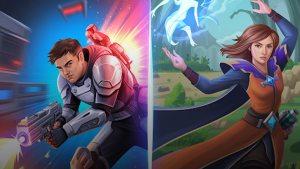
Yes. Smart indie studios often:
- Animate cutscenes that double as trailer footage
- Record dialogue for scenes and reuse in promos
- Use 2D video animation for game intros + YouTube trailers
This keeps the art style consistent and production efficient.
Prolific Studio offers solutions that span both marketing and narrative animation workflows. In addition to cutscene animation, they provide end-to-end game trailer services designed specifically for indie games. These trailers are optimized for Steam, Kickstarter, and social media platforms to boost visibility and engagement.
Whether you’re planning a cinematic reveal, alpha teaser, or gameplay launch trailer, their creative team delivers high-converting trailers that match your game’s tone and audience.
Frequently Asked Questions
Can I use in-game cutscenes in my trailer?
Yes, many indie devs do. If your cutscenes are high quality, you can trim and re-edit them into effective trailer content.
Which is cheaper to produce: a cutscene or a trailer?
Cutscenes are less costly because they are based on an engine. Editing, effects, and music licensing for trailers add to production costs.
Should I hire a studio for my trailer or do it myself?
Hiring a professional polishing team like Prolific Studio is prudent to garner Steam or IGN attention.
Can trailers use 2D animation instead of in-game footage?
Absolutely. When formulating a successful trailer, it is helpful to use 2D animation to create visual hooks, lore animations, and intro sequences.
How long should a game trailer be?
Ideally 60–90 seconds. Long enough to establish the hook, but short enough to retain viewer interest.
Do cutscenes need voice acting?
Not always, but voice acting greatly enhances emotional delivery and pacing. Dialogue sync is critical in both cutscenes and cinematic trailers.
What tools do studios use to create game trailers?
Studios use tools like After Effects, Blender, Unity, and Premiere Pro for trailer editing and animation.
What is a cinematic trailer?
It is an animated short film made with an in-game engine that serves as a stylized, animated promotional clip for your game, and can be made in 2D or 3D animation.
Where can I get both cutscenes and trailers produced?
Prolific Studio's cutscene and game trailer 2D and 3D animation services help you market your game effectively. They tailor every production to fit the tone, budget, and style of indie developers.
Final Thoughts
Both game cutscenes and trailers serve to tell your story, but each targets a different audience and has a specific aim.
For storytelling, immersion, and emotional depth—cutscenes are essential. For hype, sales, and discovery—trailers are your frontline weapon.
From concept to execution, leading U.S. animation studios like Prolific focus on tailoring in-game cutscenes alongside cinematic game trailers to help indie developers market their titles.
With game cutscene animation services we offer, as well as cinematic game trailer services, impact your marketing without altering the narrative.