Introduction
Creating anime-style 3D images is a fun and rewarding hobby that allows you to express your creativity and imagination. With the right tools and techniques, you can bring your favorite anime characters and scenes to life in stunning detail and vibrant colors.
This beginner’s guide will explore key steps and tips for creating anime-style 3D images.
Step 1: Choose Your Software
The first step in creating anime-style 3D images is to choose the right software. Many 3D modeling and animation programs are available, but some of the most popular ones for anime-style art include Blender, Maya, and ZBrush.
Each software has its strengths and weaknesses, so it’s important to research and choose the one that best fits your needs and skill level.
Step 2: Learn the Basics
Once you’ve chosen your software, it’s time to learn the basics of 3D modeling and animation. This includes understanding polygons, vertices, textures, lighting, and camera angles.
There are many online tutorials and courses available that can help you get started, and it’s important to practice regularly to improve your skills.
Step 3: Gather Reference Images
Before you start creating your anime-style 3D image, it’s a good idea to gather reference images to use as inspiration. This can include screenshots from your favorite anime shows or manga and real-life photos and images.
A clear idea of what you want to create will make the process much easier and more efficient.
Step 4: Sketch Your Design
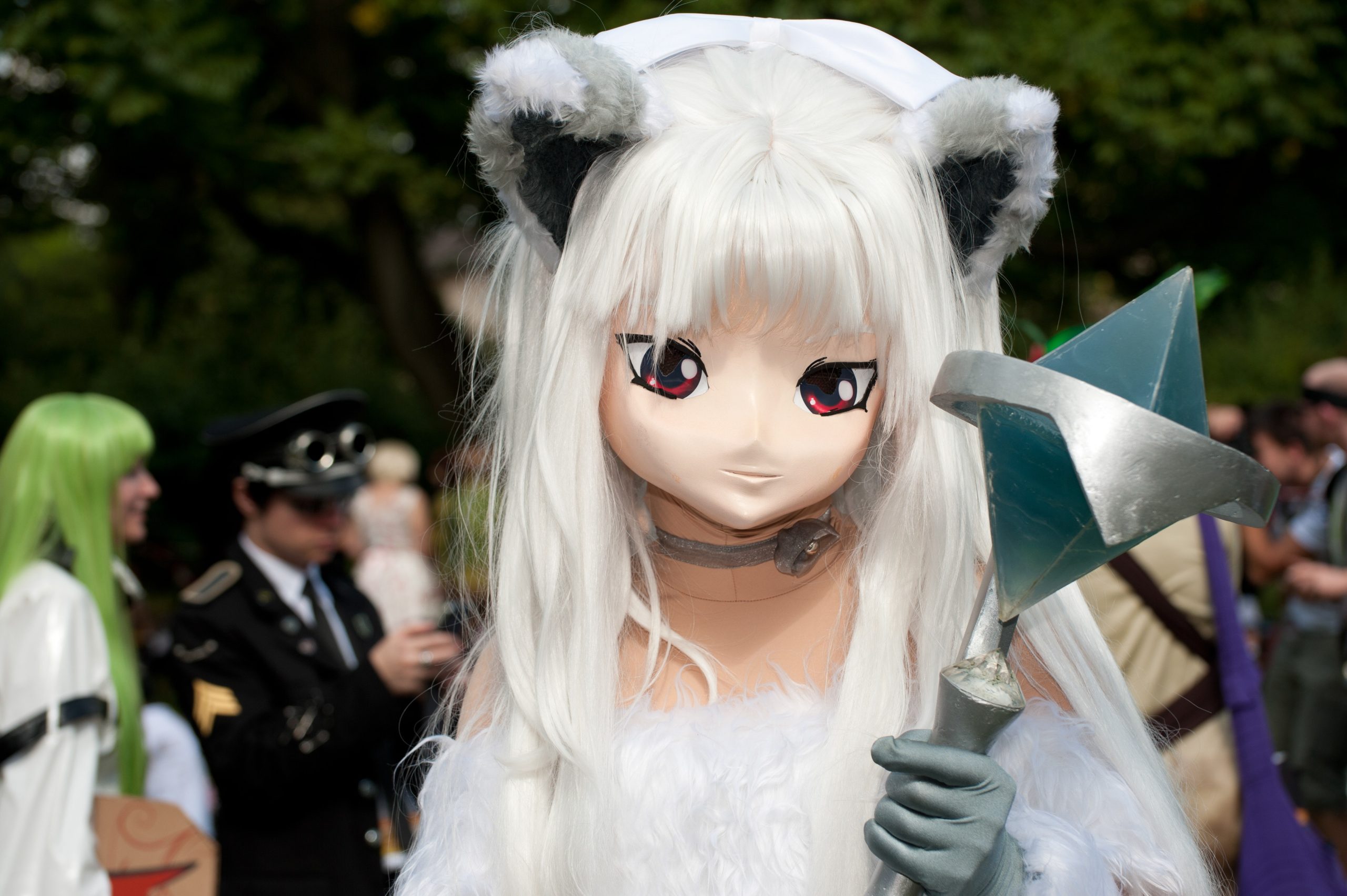
Once you have your reference images and a good understanding of the basics, it’s time to sketch your design. This can be done on paper or using digital tools such as Photoshop or Sketch.
The sketch should include the character or scene you want to create and any important details such as facial expressions, clothing, and props.
Step 5: Model and Texture Your Design
With your sketch as a guide, it’s time to start modeling and texturing your design in 3D. This involves creating the basic shape of the character or scene using polygons and vertices and then adding texture and color to bring it to life.
It’s important to pay attention to details such as lighting and shadows, as well as the overall composition of the image.
Step 6: Add Animation and Effects
If you want to take your anime-style 3D image to the next level, you can add animation and special effects. This can include things like facial expressions, movement, and particle effects.
Again, paying attention to details and ensuring everything works together to create a cohesive and visually appealing image is essential.
1. The Art of Conceptualization and Storytelling: In the heart of every captivating anime lies a well-crafted story, compelling characters, and an intricately woven world. The journey of anime cartoon creation begins with a spark of imagination and the desire to tell a tale that resonates with audiences worldwide.
- Building Blocks of a Compelling Anime: Discover how a strong story, well-defined characters, and a vivid setting lay the foundation for a memorable anime.
- From Idea to Screen: Unveil the secrets of storyboarding and how it transforms imaginative concepts into a visual narrative.
2. Breathing Life into Characters and Environments Characters are the soul of anime, and the world they inhabit is equally crucial. Through the art of character and environment design, creators give birth to iconic figures and captivating landscapes that capture the hearts of fans.
- Designing Anime Characters in 3D: Delve into the techniques and tips for bringing characters to life through 3D modeling, exploring their personalities and unique traits.
- Creating Immersive Worlds: Navigate the world of 3D environment modeling and learn how it shapes the backdrop of your anime saga.
3. Mastering 3D Modeling and Sculpting In the realm of 3D animation, modeling and sculpting are the brushes artists use to paint their visions into reality. The journey from virtual clay to a fully realized masterpiece involves a symphony of creativity and technical skill.
- From Virtual Clay to Masterpiece: Uncover the magic of 3D character modeling, transforming basic shapes into intricate figures with depth and dimension.
- Sculpting the Details: Explore the intricacies of adding fine details and textures that breathe life into characters and environments.
4. The Dance of Rigging and Animation Rigging is the invisible puppetry that allows characters to dance, run, and emote. Animation breathes life into them, creating a tapestry of movement that conveys emotions and tells the story.
- Strings of Movement: Gain insights into the intricate world of character rigging, where virtual strings enable a wide range of movements.
- Animating Emotions: Compare keyframe animation and motion capture techniques to understand how each approach infuses characters with emotions and expressions.
5. Texturing and Shading for Realistic Appeal Texture and shading add realism and visual appeal to 3D models, transforming them from mere polygons into lifelike creations that resonate with audiences.
- The Art of Texture Mapping: Dive into texture mapping, where color, patterns, and details are meticulously applied to characters and objects.
- Playing with Light and Shadows: Explore shading techniques to create realistic lighting effects, casting shadows that add depth and authenticity to your anime.
6. Lighting Techniques for Mood and Atmosphere Lighting sets the mood and atmosphere of each scene, guiding viewers’ emotions and enhancing the storytelling experience.
- Illuminating the Scene: Learn how lighting choices shape the emotional tone of scenes, from serene landscapes to dramatic confrontations.
- Painting with Light: Discover advanced lighting techniques that elevate the visual impact of your anime, intensifying emotions and capturing the audience’s attention.
7. The Magic of Camera Work in 3D Anime The camera is your storytelling lens, guiding the audience’s gaze and immersing them in your anime’s world. Skillful camera work elevates the narrative, adding depth and dimension to each frame.
- Framing the Tale: Explore dynamic camera angles and movements that amplify the storytelling, capturing characters’ perspectives and emotions.
- Cinematic Perspectives: Master the art of achieving depth and focus in 3D animation, creating shots that resonate with cinematic grandeur.
8. Post-Processing: Elevating Your Animation Post-processing adds the finishing touches to your scenes, transforming raw renders into polished visuals that captivate the eye and enhance the narrative.
- Beyond Rendering: Delve into post-processing effects that amplify the impact of your anime, from color correction to depth of field.
- Color Grading and Visual Effects: Harness visual effects to create stunning, immersive moments that stay in viewers’ memories.
9. Editing and Sound Design: Completing the Experience Editing is where the narrative comes together, weaving scenes into a seamless and engaging storyline. Sound design complements visuals, evoking emotions and immersing audiences further into the anime’s world.
- Stitching the Narrative: Uncover the intricacies of video editing, where scenes harmoniously blend to create a coherent and captivating anime tale.
- Symphony of Sound: Dive into sound effects and music, exploring how they heighten drama, suspense, and emotion in your 3D anime.
10. Continuous Learning and Refinement: mastering anime cartoon creation through 3D animation is a path of growth, learning, and continuous improvement. Embrace the challenges and triumphs that come with honing your skills.
- Evolving Artistry: Cultivate your craft and embrace personal growth as an anime creator, continuously refining your techniques and approach.
- The Journey Ahead: Embark on a path of lifelong learning, nurturing your creativity and expertise in the dynamic world of anime animation.
Conclusion
The future of anime is a breathtaking blend of tradition and innovation, brought to life through the captivating realm of 3D animation. As anime animation studios explore new horizons, they’re weaving together the timeless art of storytelling with cutting-edge technology, resulting in emotionally charged and visually stunning creations.
Ready to dive into this dynamic world of 3D-animated anime? Connect with us today to explore, learn, and be part of evolution.
FAQs (Frequently Asked Questions)
How do anime animation studios balance innovation with preserving the essence of anime?
Anime animation studios carefully balance innovation and tradition by leveraging 3D animation techniques to enhance storytelling while staying true to the core elements that define anime.
They adapt beloved 2D character designs into 3D, focusing on conveying emotions and maintaining familiarity. This balance allows studios to push creative boundaries while ensuring that the heart and soul of anime remain intact.
3.How can I get involved in creating 3D-animated anime?
If you're passionate about both anime and 3D animation, there are several paths to explore. Consider learning 3D modeling, rigging, animation, and other relevant skills through online tutorials, courses, or academic programs.
Experiment with software like Blender or Maya to bring your ideas to life. Collaborate with like-minded creators, join online communities, and showcase your work to gain valuable feedback and exposure in the dynamic world of 3D-animated anime.