You can spot a great animation from a mile away. The movement feels natural, the story clicks instantly, and the visuals hold your attention longer than you planned. That isn’t luck. It’s the result of a carefully planned animation process — a sequence of creative and technical steps that turn an idea into a polished, moving masterpiece.
At Prolific Studio, we’ve integrated mastery of artistry and efficiency, making it easy for brands, creators, and marketers to receive animations that have consistently delivered striking results for 2025 and beyond.
As long as we walk through the proper foundational procedures, we can create sleek 2D explainers, cinematic 3D sequences, or even tactile stop-motion animations.
According to one report, the global animation market is valued at more than USD 460 billion in 2025, and it is only going higher.
The pre-production stage is vital. For instance, businesses choosing 3d video animation services for marketing benefit from detailed storyboarding and concept design that reflect their branding. On the other hand, companies leveraging 2d animation services for explainer videos can simplify complex ideas into clear, engaging visuals that audiences instantly connect with.
[elementor-template id=”13845″]
Step 1: Research
Before a single frame is drawn, the animation production process starts with understanding. The story you tell through animation needs to feel like it could only come from you.
That means our first task is gathering the right details:
- What’s the purpose of the animation?
- Who’s the audience?
- What tone fits the brand?
- Which animation style works best for the intended goal: 2D, 3D, motion graphics, or something experimental and out of the box?
In this step, we outline brand assets by collecting information pertaining to brand image, primary visual themes, and literal guidelines through visual and branding aids. This stage shapes every decision afterward. Without it, even the most stunning animation can miss the mark.
Step 2: Script
A good script is the backbone of every great animation. It’s where key animation phases begin to take shape. The script doesn’t just decide what’s said — it sets the rhythm and defines the emotional arc.
Here’s what makes a script effective in the animation process:
- Clarity: Viewers understand the message without extra explanation.
- Flow: Scenes transition naturally, keeping attention hooked.
- Focus: Every line serves the story or brand goal.
While this step might seem insignificant, it can lead to massive delays and production problems further down the line. Incorrectly paced scripts will result in voiceovers needing to be divided, work being done during the editing process, and tedious manual adjustments being made during the editing phase.
Step 3: Storyboard
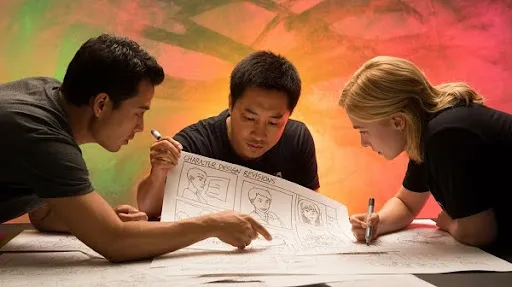
The storyboard is where the project starts looking like an animation. Think of it as a visual map for the animation production workflow.
At Prolific Studio, each storyboard frame is paired with script lines, scene notes, and camera directions. This helps clients see how the story will unfold before we invest time in full illustrations.
Benefits of a detailed storyboard:
- Prevents visual inconsistencies later.
- Makes it easy to tweak ideas before animation starts.
- Saves hours in post-production.
Even small changes at the storyboard stage can protect the schedule and budget from bigger issues later.
Step 4: Art Direction
In this phase, we finalize the animation style. Brands need to maintain brand visuals and cross-platform consistency while adapting during and post-2025.
In this phase, we finalize the animation style. Brands need to maintain brand visuals and cross-platform consistency while adapting during and post-2025. That’s why style frames are so important.
We present a few fully designed sample scenes, including:
- Character designs
- Color palettes
- Typography
- Background elements
These samples are more than pretty pictures — they set the standard for the entire 2D animation process or 3D animation process. Getting approval here ensures the rest of the production moves smoothly.
Step 5: Voiceover
Through voice-over work, the purpose and motivation of the audience is engaged with and put to life emotionally. For the designated voice, we use professional narrators who are confident, playful, warm, and/or authoritative depending on the need.
Our selection process:
- Decide on voice gender and tone.
- Provide a shortlist of voice samples.
- Let the client choose the one that fits best.
A strong voiceover can carry a project. Even with perfect visuals, a poor vocal performance will weaken the animation’s impact.
Step 6: Illustration
Style frames allow the illustrators to move on to drawing characters, props, and backgrounds with traditional animation methods or sophisticated programs such as Adobe Illustrator and Photoshop.
For digital animations, separating each element into layers is crucial. This allows animators to manipulate parts independently in the next stage. For example:
- A character’s arms, legs, and facial features are separate layers.
- Backgrounds are layered to create depth and motion effects.
We keep all assets high-resolution so the final output looks sharp on any platform.
Step 7: Animation
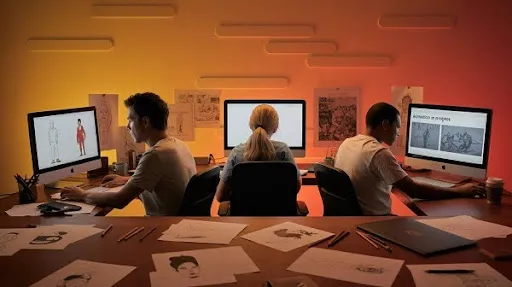
This is where static illustrations start moving. Animations with sophisticated software are able to rig characters, set a keyframe, and utilize inbetweening or interpolation to set the animation.
Key terms in this step:
- Rigging: Building a digital skeleton for characters so they can move naturally.
- Keyframes: The main poses that define movement.
- Inbetweening: Filling in the frames between keyframes to create smooth motion.
For the 3D animation process, test sequences are also rendered to check whether lighting, textures, and camera angles are aligned with the vision.
Step 8: Audio Editing
The voice over is done, and the animation reality is synchronized to the background music. The experience is further enhanced with carefully placed sound effects, and the final polish is achieved in the editing stage described.
We ensure:
- Dialogue matches lip movements.
- Music complements the pace of the visuals.
- Sound effects feel natural and not forced.
High-quality audio keeps viewers engaged and makes the animation feel professional.
Step 9: Integration
The final stage is also where detail is added. The animation is added, and the finished video is rendered at the required resolution, frame rate, and aspect ratio.
Post-production tasks in this stage:
- Color correction
- Adding final visual effects
- Double-checking transitions and timing
Rendering can be time-intensive, especially for complex 3D or effects-heavy scenes. It’s also the moment where any earlier oversights become visible — another reason each step before this needs to be precise.
Step 10: Final Delivery
The animation is delivered to the client for review. This includes:
- Making small adjustments based on feedback.
- Providing multiple file formats for different uses.
- Ensuring the final product meets all technical requirements.
Depending on complexity, the animation production process takes 6–9 weeks to produce. Here at Prolific Studio, we prioritize quality while meeting deadlines.
Common Types of Animation to Know in 2025
Each animation process can be adapted to different styles. The most popular options today include:
2D Animation
Flat visuals that are cost-effective and versatile. 2D animation is still the most popular animation style for marketing and explainers.
3D Animation
Adds depth and realism. 3D animation services are perfect for product demos and immersive storytelling.
Motion Graphics
Motion graphics is ideal for data visualization, typography animation, and brand presentations.
Stop-Motion
Handcrafted feel, created by photographing real objects frame-by-frame. Unique but time-consuming due to detailed stop-motion animation steps.
How Prolific Studio Perfects the Animation Production Workflow
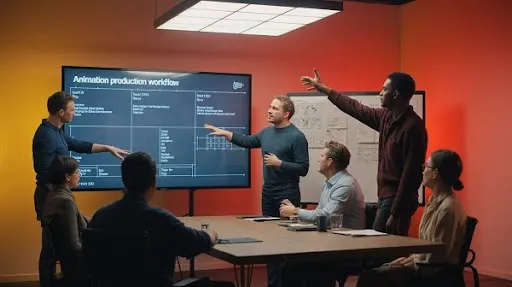
Many studios utilize a framework similar to the 10 steps listed above, but not all produce the same outcome. The difference lies in the details, such as the integration of feedback, the execution of each step, and the communication within the teams.
Prolific Studio tailors every animation production process to meet creative and strategic objectives, which results in fewer revisions and smoother timelines. The animations in question are more than just visually appealing; they align with the client’s business objectives.
Here’s what sets our animation steps apart:
- Depth of discovery: We spend more time understanding the brand’s voice and visual identity so the animation feels tailor-made.
- Quality checks at every stage: From script accuracy to visual consistency, nothing moves forward until it passes internal review.
- Collaborative approvals: Major production does not commence unless the client approves key phases, which include scripts, storyboards, and style frames.
- Scalable team structure: The presence of specialized roles like sound engineers and texture artists allows dedicated focus on specific areas. This means that projects can expand in scope while retaining their quality.
Why Each Animation Step Matters
Each step within the animation process serves a specific goal. While the process may appear streamlined, the end result is a more costly solution when steps are removed or overly condensed.
- Research aligns the creative vision with the business goal.
- Scriptwriting ensures clarity and pacing.
- Storyboarding prevents visual misdirection.
- Art direction locks down the aesthetic.
- Voiceover adds emotional connection.
- Illustration creates assets ready for movement.
- Animation builds the visual flow.
- Audio editing polishes the sensory experience.
- Integration merges everything into a cohesive story.
- Delivery ensures the final product is client-ready.
Miss one, and the whole production suffers — sometimes in ways you only notice after it’s too late to fix without major rework.
Balancing Creativity and Technical Precision
The craft of animation encompasses artistry, but is not limited to it. A frame that is visually appealing, but devoid of coordinated movement, holds no value. Conversely, movement that is seamless and perfect but devoid of a good narrative will not leave an impression.
To maintain balance during production, our animators liaise with illustrators, voice actors, and audio engineers. In 3D animation processes, narrative elements, lighting, texture, and even camera motions require equal attention to the story.
The Role of Technology in Modern Animation
With advancements in software, the animation production workflow has become more flexible and efficient. While traditional animation methods like frame-by-frame drawing still hold relevance, tools such as Toon Boom, Harmony, Blender, and After Effects enable:
- Quicker in-betweening and rigging
- Real-time previews
- Easier revisions without starting from scratch
In stop-motion animation steps, camera stabilizing, frame capturing, and post-cleaning are streamlined, reducing the painstaking manual effort that was prevalent decades ago.
Common Pitfalls to Avoid in the Animation Process
Even experienced teams can run into problems if critical checkpoints are ignored. The following are some common oversights:
- Weak pre-production planning: Leads to mismatched visuals and messaging.
- Overcomplicated scripts: Makes animations feel rushed or confusing.
- Skipping test renders: Risking technical glitches in the final product.
- Poor audio quality: Distracts viewers and undermines credibility.
The fix? Follow each critical animation process step in sequence and keep communication open across the team.
Choosing the Right Animation Style for Your Project
One of the earliest — and most important — decisions in any animation process is selecting the style. Here’s how we guide clients:
If you need clarity and speed: Go with 2D animation. It’s versatile, affordable, and the most popular animation style for explainers.
If you need realism: Choose 3D animation. Perfect for product demonstrations and detailed storytelling.
If you want a data-driven visual: Motion graphics are your ultimate animation style for presenting statistics or corporate messaging.
If you want handcrafted charm: Stop-motion offers a tactile, artistic vibe, though it requires more time and budget.
Timeline Expectations
One of the top client questions: “How long will this take?”
For a custom, high-quality piece, here’s a general breakdown for a 1–2 minute animation:
- Research & scripting: 1–2 weeks
- Storyboard & art direction: 1–2 weeks
- Illustration & animation: 3–4 weeks
- Audio, integration & delivery: 1–2 weeks
That’s a total of 6–9 weeks for the full animation production workflow, depending on complexity and feedback cycles.
Cost Factors to Keep in Mind
The cost of a professional animation can range widely. For 2D animation processes, a polished 60-second video might fall between mid-range and high-end pricing based on detail level. For 3D animation processes, costs rise due to modeling, rendering, and technical demands.
Factors that influence cost:
- Animation length
- Complexity of scenes
- Number of characters
- Style choice (2D, 3D, stop-motion)
- Revision rounds
Tips for a Smooth Animation Production Experience
From a studio’s perspective, here’s what helps keep projects on track:
- Provide clear feedback early in each stage.
- Consolidate revisions instead of sending scattered notes.
- Trust the process — each stage has its place for a reason.
- Be realistic about timelines if you want premium quality.
Frequently Asked Questions
Can I request changes during animation?
Yes, but in most cases, the time spent can be a lot if the changes are made to the script or storyboard. Minor alterations are easier to address.
What’s the fastest animation style to produce?
Rendering or manual work required for 3D and stop-motion is more than the effort needed for simple 2D and motion graphics animations.
Do I need to be involved in every stage?
Client participation is crucial for the approval of the script, storyboard, and style frames. Following this step, the studio manages the majority of the production process and shares updates at major milestones.
Is traditional animation still used in 2025?
Yes, especially for projects that want a handcrafted, nostalgic feel. But it’s often blended with digital tools for efficiency.
Final Word
A polished animation isn’t just motion or appealing visuals. It is an intricate and tailored process that integrates storytelling, design, and technology into a single unit.
At Prolific Studio, one of the best animation studios in Seattle, the value animation processes are designed to make sure each step is purposeful and builds towards a strong end product. The result is an animation that appears effortless to watch, whereas, in reality, the process involved weeks of meticulous planning and execution.
If I have sparked your imagination and you wish to transform an idea into a complete animated creation, our expert team stands ready to support you in navigating all processes. From the first conversation to the last frame, your story will be told with clarity and style, and every impact will be strategically designed.
Related articles: