A character blinks, stumbles, or jumps, and suddenly the audience reacts. That reaction isn’t just about how the character looks; it’s about when the action happens. The beat behind the movement makes the difference.
Timing in animation turns still drawings into a living performance. It’s what makes a gag land, a punch feel strong, or a pause stretch into tension. Miss the mark, and the scene feels flat. Hit it right, and the moment connects like music, seen and felt at the same time.
Why Timing in Animation Matters More Than You Think
Timing isn’t simply about making things fast or slow. It’s about shaping mood and emotion. The way an object falls tells you how heavy it is. The pause before a reply hints at hesitation. A long, drawn-out blink might signal boredom. A rapid one suggests nerves. Timing decides if an action feels funny, dramatic, or intense.
That’s why many call it the heart of animation. Without proper timing, even the best-drawn character looks hollow. With it, they breathe. Every great studio, from Disney to Pixar and DreamWorks, leans on precise timing to keep audiences hooked.
Those goosebumps you feel during a heartfelt scene? Or that laugh that bursts out during a silly one? That’s timing doing its quiet job.
[elementor-template id=”13845″]
The Principles of Animation and Timing’s Place Among Them
In the 1930s, Disney’s early animators came up with the 12 principles of animation, guidelines that shaped how motion is created. Timing sits right in the middle of them, holding the others together. Squash and stretch, anticipation, and follow-through, none of them truly work without correct timing.
Think of a bouncing ball. The shape changes with squash and stretch, but unless the timing reflects gravity, it feels fake. Or take a punch: the drawing can be dramatic, but only spacing and timing give it weight.
Even a small nod can mean something different depending on the context, ranging from kindness to sarcasm or doubt. That’s how timing adds layers of personality to simple movement.
What Is Timing in Animation?
At its most basic, timing is the number of frames between two poses. More frames slow the action. Fewer frames speed it up. But the craft goes way beyond that math.
Timing builds rhythm. It signals weight. It shapes personality. A slow eye blink can come across as calm confidence. A jittery, fast blink screams unease. Animators adjust timing the way musicians adjust tempo, raising or lowering it to fit the mood.
Frank Thomas, one of Disney’s legendary animators, once described timing as a heartbeat. Just like a body feels alive when the pulse is steady, animation feels alive when timing matches the energy of the story.
The Importance of Timing in Character Animation
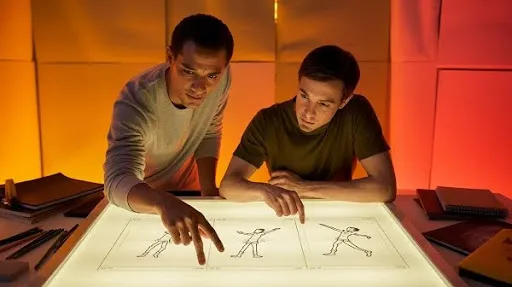
A gorgeous character design still falls flat without proper timing. What keeps it alive is how the movements are paced.
- Weight and physics: A hammer swing feels heavy thanks to timing, not just drawing.
- Emotion and mood: A pause before a line of dialogue reveals hesitation.
- Comedy and drama: Delaying a fall after a slip makes people laugh. Delaying a reaction in a fight makes people gasp.
Audiences don’t always notice timing, but they always feel it. Poor timing creates floaty, awkward motion. Good timing becomes invisible; it just feels right.
Techniques Animators Use to Fine-Tune Timing
Time Charts
Time charts act like blueprints. Animators jot down how many drawings to place between key poses. This keeps actions from looking rushed or dragging out too long. Planning spacing early in the animation process helps avoid problems later.
Exposure Sheets (X-Sheets)
Exposure sheets, or X-sheets, as they’re often called, break scenes into frames on paper. Animators log what’s happening in each layer: background, character, dialogue. Think of it like a conductor’s sheet, making sure timing across multiple animated elements plays in harmony.
In-Betweens and Tweening
Key poses set the start and end of a movement. The drawings that fill the space are the in-betweens. More in-betweens slow things down and make them smoother. Fewer create sharper, faster action. In classic setups, assistants handled these frames. In digital workflows, tweening tools help, but the animator still decides the pacing.
Frame Rates and Their Impact on Animation Timing
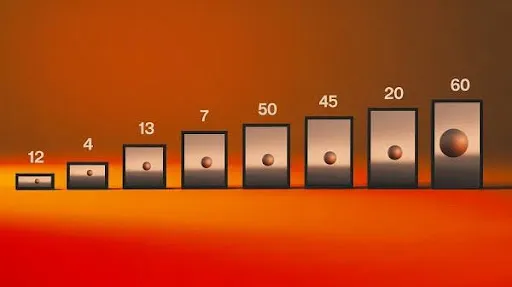
Frame rate sets the overall rhythm. Traditional animators often worked “on twos”, one drawing lasting two frames, giving 12 per second. Today’s 3D or digital productions run higher, but animators still drop or hold frames intentionally for effect.
Here’s how that plays out:
- Fast action: Higher frame counts make movement smooth and crisp.
- Comedy or stylized scenes: Lower frame counts exaggerate actions, making them snappier and funnier.
Frame rate becomes a tool to push the borders of animation, helping animators decide how real or stylized a scene should feel.
Iconic Animation Examples That Show the Power of Timing
Some scenes stick with people for decades because of timing.
- Snow White and the Seven Dwarfs: Each dwarf has timing that matches their personality, slow for Sleepy, unpredictable for Dopey.
- The Jungle Book: Baloo and King Louie’s dance locks onto the rhythm of the music.
- Aladdin’s Genie: Robin Williams’ rapid-fire delivery paired with snappy timing created the Genie’s manic energy.
- Luxo Jr. by Pixar: The desk lamp bounces with perfect rhythm, proving how squash, stretch, and timing can bring an object to life.
- The Incredibles: Frozone’s ice slides and the film’s fight scenes feel sharp and believable thanks to careful acceleration and deceleration.
These aren’t just animations, they’re lessons in timing.
Timing and the Physics Behind Animation
Animation doesn’t follow physics word for word, but timing borrows enough rules to feel real. Viewers instinctively understand forces like gravity or momentum, so the timing has to respect that.
- Acceleration: A car starts slow, then speeds up, with more frames packed into the start.
- Deceleration: Actions stretch out as they slow, like a ball rolling to a stop.
- Anticipation: A small pause before the main action, like a crouch before a leap, makes the movement hit harder.
- Follow-through: After the main action, parts of the body keep going, like clothes or hair catching up.
- Overlapping action: Different parts move on slightly different beats, avoiding stiffness.
Ignore these, and motion looks robotic. Use them well, and characters feel alive.
Timing in Custom 2D Animation Videos
Today, timing isn’t limited to movies or cartoons. Custom 2D animation videos for brands and campaigns rely heavily on it. Attention spans are short, so pacing has to be sharp.
If a demo video drags, the audience tunes out. If it races, the message is lost. Proper timing keeps things clear, emotional, and memorable, helping businesses explain, entertain, and persuade without losing their viewers.
Timing Across Different Animation Styles
The rules of timing don’t really change; they’re universal. But how an animator uses them depends on the style. A hand-drawn short, a big-budget 3D movie, or a snappy motion graphics ad all rely on timing. Still, the results feel worlds apart.
2D Animation and Timing
In 2D, timing is brutal but beautiful. Every extra frame means more drawing, so you can’t waste them. Slow actions often eat up dozens of sketches, while a quick gag might need only a few. And this is where exaggeration goes wild.
Bugs Bunny doesn’t just fall; he hangs mid-air for a beat, looks at the audience, then drops. That pause is timing magic. You don’t get that in live-action.
3D Animation and Timing
3D flips the workflow. Instead of redrawing, animators push and pull digital rigs on a timeline. You can nudge curves, try endless variations, and see what sticks. Because of that flexibility, people also expect realism. The smallest pause in a character’s eye blink, the extra weight shift before a jump, if the timing’s off, it breaks the illusion.
Think of Wall-E’s slow, hesitant head turns versus the snappy movements of the cockroach. Same film, totally different timing and moods.
Motion Graphics and Explainers
Motion graphics? Timing is the whole game. There’s no space for fluff. A logo reveal that lingers too long feels like dead air, but if it flashes by too fast, it just looks cheap. The rhythm here decides if the video screams professional or student project. For brands, this isn’t just an artistic choice. The wrong pacing can literally cost attention and conversions.
Timing, Emotion, and Audience Impact
If animation is storytelling, timing is the storyteller’s beat. The same action, like dropping a coffee cup, can feel hilarious, tragic, or suspenseful, all depending on the rhythm.
- Comedy: Humor lives in the pause. Wile E. Coyote doesn’t fall right away. He hovers, looks down, gulps, then plummets. The beat is the punchline.
- Drama: Stretch timing, and you stretch tension. Holding on to a character’s face one second longer makes people squirm.
- Action: Chase scenes or fight sequences need sharp timing. Too slow? It drags. Too fast? It’s chaos. The right pace makes it thrilling.
- Emotion: Even tiny gestures matter. A hand squeeze that lingers feels tender. A rushed one feels awkward. Same move, different timing, different meaning.
This is why timing in character animation isn’t just technical; it’s emotional storytelling at its core.
How Animators Sharpen Their Sense of Timing
Some animators have natural rhythm, but most grind it into their bones through practice. Here’s how they train that timing muscle:
- Reference videos: Lots of pros film themselves acting things out. Play it back in slow motion, and suddenly you notice how long a foot actually hangs before pushing off.
- Thumbnails & storyboards: Even stick figures can show where the pauses and peaks land.
- Animatics: Basically, moving storyboards, cheap experiments in pacing before diving into full production.
- Playblasts & roughs: Quick renders that let animators test rhythm over and over. Nothing polished, just pure timing checks.
- Feedback sessions: Fresh eyes spot what you miss. That “funny” gag? Maybe it isn’t funny yet. That pause you thought was dramatic? Maybe it’s just awkward.
Over time, these tricks turn timing into instinct.
Modern Challenges with Timing
Even with better tools, timing still trips people up. Sometimes the tech actually makes it harder.
- Deadlines: Projects move fast now. Animators rarely get the luxury of experimenting endlessly with beats and pauses.
- Global audiences: Humor doesn’t always translate. What’s funny in Tokyo might fall flat in New York. Pacing often needs cultural sensitivity.
- Attention spans: Social media is ruthless. You’ve got maybe three seconds before people scroll past. Timing has to hook instantly.
Timing Tips That Actually Work
Here are some battle-tested tips animators use in the trenches:
- Act it out. Seriously, get up and move like your character. You’ll feel where the pauses belong.
- Push it first. Exaggerate. Make it too big, then reel it back. Easier than adding life to something dull.
- Use silence. Nothing happening can be just as gripping as something happening.
- Respect weight. Heavy things need slower timing. A feather doesn’t land like a brick.
- Study the masters. Watch an old Disney short, a Pixar scene, or a slick anime fight. Notice how the rhythm alone keeps you watching.
Little habits like these sharpen instincts and make timing second nature.
Frequently Asked Questions
Why does timing matter so much in characters?
Because it shows who they are. A quick glance screams surprise, a slow one oozes doubt. Timing reveals personality.
Is timing different in 2D and 3D?
Yep. In 2D, timing = more drawings. In 3D, it’s adjusting rigs and curves until motion feels right. Same principle, different execution.
What’s the best frame rate?
There isn’t one. Old-school 2D often runs at 12 drawings a second. Digital and 3D might go 24 or higher. Style and mood decide.
Does timing really affect business videos?
Absolutely. If a product animation drags, people click away. If it snaps too fast, they get confused. Good timing = clear message + more engagement.
Final Words
Timing isn’t a side detail. It’s the invisible heartbeat of animation. It controls emotion, weight, rhythm, and decides whether a scene lands or falls flat.
For businesses, it’s even more critical. A custom 2D animation video with smart timing can simplify complex ideas, grab attention, and leave a lasting impression.
At Prolific Studio, one of the best animation studios in New York, we don’t just “animate.” We choreograph beats, pauses, and movements so your story hits exactly the way it should. Timing is what makes a video unforgettable, and that’s the standard we deliver.