Scroll for five minutes and you’ll see it, a guy dancing in his kitchen, a cat hitting perfect comedic timing, or someone teaching how to make coffee that looks too pretty to drink. Short clips dominate the internet. Two platforms, in particular, are running the show: YouTube Shorts and TikTok.
They’re all around. They’ve influenced how we use, produce, and even perceive. Yet, in terms of attracting attention, where every moment counts, the question continually arises: Which one truly prevails?
Some say TikTok is unbeatable. Others swear YouTube Shorts is quietly taking over. The reality isn’t merely clear-cut. Each has advantages, unique traits, and challenges that significantly impact your efforts to build an audience or brand online.
Let’s talk about what really sets them apart.
[elementor-template id=”13845″]
TikTok and YouTube Shorts: The Battle Everyone’s Watching
TikTok walked in first and turned the internet upside down. It made short-form video not just popular but addictive. Then YouTube jumped in with Shorts, aiming to give creators the same fast exposure, but with a YouTube flavor.
Now, both platforms feed the same habit: quick hits of entertainment that make hours disappear without you noticing.
But they aren’t twins. TikTok is fast, raw, and chaotic; trends come and go before you even think of joining them. YouTube Shorts is a little steadier. It’s connected to a platform that’s already home to long-form creators, tutorials, and vloggers. That built-in ecosystem gives it a different kind of power.
You could say TikTok is the flash. YouTube Shorts is the follow-up.
Fact: YouTube Shorts receives more than 70 billion views worldwide each day.
Who Pulls in More Viewers?
TikTok’s algorithm was designed to propel anyone to fame; that’s the reason it surged in popularity. You can upload one clip and connect with millions, even if no one is familiar with you. Engagement in the first few moments of a post is the key metric, not the follower count.
That unpredictability is what makes TikTok so exciting. Every upload feels like a lottery ticket. In early 2025, TikTok boasted approximately 1.59 billion active users worldwide each month.
YouTube Shorts, though, plays a longer game. It rewards channels that stay active and consistent. You might not become an overnight sensation, but your work continues to reach those who already appreciate your content. Shorts help to attract audiences to your long-form content, as they sit on the same channel as your primary videos.
For creators building a name over time, that kind of connection matters more than a one-day viral spike.
Algorithms: The Brains Behind the Buzz
The discussion about the algorithms of TikTok and YouTube Shorts is never truly resolved. Both depend on interaction indicators, such as likes, rewatches, and comments, yet they handle them differently.
TikTok reacts almost instantly. The moment a video starts getting replays or interaction, it begins spreading to more feeds. It’s the reason your “For You” page always feels alive and constantly changing.
YouTube Shorts uses the massive history of user data YouTube already owns. It knows what you’ve been watching for years and what creators you like. The algorithm tries to match Shorts to those habits. So instead of random bursts, it delivers more predictable, interest-based recommendations.
Here’s the main difference: TikTok gives everyone a shot. Shorts gives creators stability. One is spontaneous; the other is steady.
Engagement: Energy vs Endurance
Open TikTok, and the first thing you notice is the vibrant energy. People work together, rework, critique, and turn jokes into trending skits. It’s a chaotic, uncertain community, and that’s exactly why it thrives.
YouTube Shorts is calmer. Of course, there are comments, but the vibe is more passive than active. Just because there is no visible participation doesn’t mean they aren’t engaged; they are simply engaged in other ways. The material appears a bit more purposeful, and the viewers remain engaged longer when they discover something appealing.
As YouTube continues to link Shorts with trending sounds, livestreams, and main videos, that “quiet” side is fading. The community’s starting to loosen up, especially in regions where TikTok’s limited or banned.
If TikTok is a sprint, YouTube Shorts is the marathon. Both can get you somewhere; it just depends on how fast you want to run.
YouTube Shorts vs TikTok Monetization
Money changes everything.
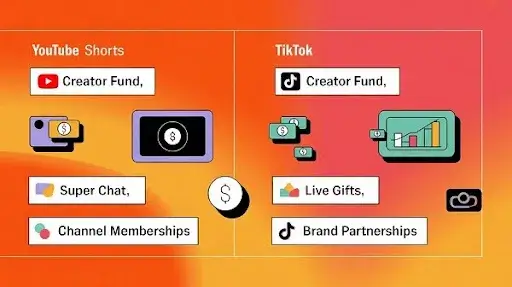
When creators talk about YouTube Shorts vs TikTok monetization, frustration usually comes up first. TikTok’s Creator Fund started strong but quickly got a bad reputation for low payouts. Many big names shared screenshots showing millions of views, earning them a few dollars.
TikTok has since moved to the Creativity Program, which pays better for longer videos, but results still vary.
YouTube, on the other hand, is the old pro when it comes to creator payouts. The Shorts system isn’t perfect; it pays less per view than regular videos, but it’s based on ad revenue sharing. That means your income depends on actual ad performance, not just vague engagement numbers.
Plus, brands still trust YouTube more for collaborations. The platform feels safer for advertisers, and that’s a big deal for anyone using video sharing online to grow a business or personal brand.
For creators, that trust translates into sponsorships, steady income, and fewer surprise rule changes.
Branding and Visibility: What Kind of Fame Do You Want?
It’s tempting to chase whatever app is trending, but this is where goals matter.
When it comes to attention, trends, and going viral, TikTok is the obvious choice. It is built to cater to immediate needs and constant change, with no regard for what endures.
But if your goal is building a brand that people remember, YouTube Shorts has a better foundation. It connects easily to your longer videos and playlists. That’s something TikTok doesn’t naturally offer.
Shorts can be used by creators and businesses to append quick ads, tips, or teasers for their full-length videos and provide a quick overview of the content. That bridge builds stronger relationships.
TikTok’s reach is thrilling, but Shorts builds recognition that sticks.
The User Crowd: Who’s Watching What?
TikTok skews younger. Most users are in their twenties or early thirties. They love fast content, trending sounds, and anything that feels “real.” Perfection doesn’t matter there; personality does.
YouTube Shorts, though, stretches across a wider age range. It’s watched by students, professionals, and even older audiences who already trust YouTube for everything from tutorials to news.
This makes Shorts a better fit for businesses and creators targeting mixed-age audiences. TikTok dominates youth culture, but Shorts quietly wins with diversity.
So if you’re a brand picking one, ask yourself: are you chasing quick reach or building a reliable audience?
What’s the Score So Far?
Both platforms serve different kinds of creators. TikTok brings fire, quick growth, instant exposure, and unpredictable fame. YouTube Shorts builds roots, slower growth, loyal viewers, and lasting presence.
There’s no absolute winner here. Smart creators are playing both fields. They use TikTok to test ideas and find what catches attention. Then they take that same energy to Shorts, where content stays visible longer.
That mix gives the best of both worlds: TikTok for buzz, YouTube Shorts for depth.
The Creative Tools: How Each Platform Shapes Storytelling

Making short videos always sounds easy until you start editing. That’s when the fun kind of turns into “okay, now what?” Both TikTok and YouTube Shorts try to help you through it, but in totally different ways.
TikTok gives you pretty much everything right in the app. It’s like having a mini studio in your pocket, sounds, filters, captions, AI effects, all of it. You don’t even need fancy gear. Simply record, adjust a few details, share, and proceed. It’s chaotic and quick, but that’s the reason it succeeds. Individuals appreciate that genuine, unedited atmosphere.
YouTube Shorts is calmer. It isn’t demanding attention, but it’s reliable. You can trim videos, slow them down, or incorporate licensed songs from YouTube’s vast collection. The real beauty lies in reusing a piece from your longer video. A single 30-second Short can point people straight to your main channel, keeping your content connected.
If you love quick trends and chaos, TikTok’s your scene. If you’re more into building things slowly and neatly, Shorts are a better fit. Both can help you create animated videos for logistics process explanations or other product clips; it’s just a matter of what pace you prefer.
The Algorithm Shift: Looking Toward 2026
Nothing stays the same online for long. TikTok isn’t all dances and lip-syncs anymore. It’s pushing more educational and storytelling stuff now, videos that make you stop scrolling for a second. That shift actually helps brands in areas like logistics, animation or tech, where you’ve got more to say than to show off.
YouTube Shorts, on the other hand, is leaning more into search. Titles, captions, and tags now work hand in hand with Google results. So if someone types “why use animation for supply chain marketing,” your Short might show up right next to a full video.
Basically, TikTok is still about being seen. Shorts is turning into a place to be found.
Advertising and ROI: What Works for Businesses
If you’ve ever run video ads, you already know this question: where do they actually perform better?
TikTok’s ads blend right in with the feed. The finest ones hardly seem like advertisements. You’re chuckling, you’re swiping, and suddenly you find yourself viewing promotional material without being aware.
YouTube Shorts is more deliberate. Google’s ad targeting runs behind it, so if someone watches a video about how logistics animations improve customer communication, they might see your company’s ad right after. That precision gives it a clear ROI advantage.
TikTok brings emotion. YouTube brings structure and numbers. Smart brands don’t pick, they mix.
How Long Do Videos Actually Live?
TikTok burns fast. Your clip might blow up for 48 hours, then vanish. That adrenaline is fun, but it doesn’t last.
YouTube Shorts plays the long game. A good Short can quietly gather views for months. Because YouTube is basically a search engine, your video about the benefits of logistics animation can keep popping up long after upload day.
TikTok gives you the spark. Shorts gives you the slow burn.
The Smart Play: Using Both
Most creators who really know what they’re doing don’t choose sides; they use both.
A lot of them test casual, funny, or raw ideas on TikTok first. Once something gets traction, they clean it up and post a sharper version on Shorts. It’s like testing a draft in public, then turning it into a final cut.
Take a studio like Prolific Studio, for example. They could show a quick behind-the-scenes TikTok of their animation team at work, then drop a refined logistics video for business promotion on Shorts with a solid call-to-action.
TikTok’s for spark. Shorts are for staying power.
Culture and Community: Different Vibes, Same Goal
TikTok is like strolling through a chaotic street carnival. It is noisy and disordered; there is a constant overlap of voices, and yet, it is the chaos that makes it entertaining.
YouTube Shorts feels more like a workshop. The crowd’s quieter, but they’re paying attention. Comments are fewer but usually thoughtful. That’s why people posting educational or professional content, like animation for supply chain marketing, tend to get deeper engagement here.
Different platforms, different energy. But both are about connection.
Tracking Performance
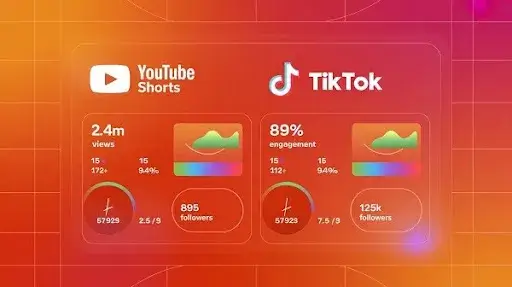
Nobody wants to create content blind. Both platforms give you numbers, just in different depths.
TikTok’s analytics are light and easy, with quick stats like total play time and audience activity. Great for instant feedback.
YouTube’s analytics go deeper. You can actually follow the viewer’s journey, from a Short to a full video to a site click. If you’re measuring ROI on how logistics animations improve customer communication, YouTube gives a clearer trail.
Data might sound dry, but in marketing, it’s what keeps the lights on.
Future-Proofing Your Strategy
Trends move fast. Platforms evolve faster. The vibrant spirit of TikTok sustains it, yet it also makes it erratic. YouTube has existed for almost two decades, and it evolves subtly and remains.
That’s why balance matters. Use TikTok to catch the wave. Use Shorts to stay standing after it passes.
If your business depends on long-term video sharing online, Shorts is your stable base. But don’t skip TikTok, it’s still where culture moves first. The smartest brands mix both: awareness on TikTok, authority on Shorts.
Frequently Asked Questions
How do both help in digital marketing?
TikTok gets you noticed. Shorts keep you remembered.
Can these work for logistics or animation marketing?
Absolutely. TikTok’s great for quick clips. Shorts is better for deeper explainers or logistics videos for business promotion.
Which platform has better analytics?
TikTok’s simpler. YouTube’s richer. Depends on what you need.
What’s the future of short-form content?
It’s not going anywhere. Just tell stories that fit the rhythm of each platform.
Final Words
Both TikTok and YouTube Shorts chase the same thing: attention. They just go about it differently.
TikTok lives in the moment: bold, funny, unpredictable.
YouTube Shorts plays the long game: structured, stable, strategic.
The smart approach would be to use both strategically. Run your ideas as tests on TikTok, polish them for Shorts, and let the two be interdependent. You can get in touch with us and avail of our 3D animation services for both platforms, which will guarantee success in the long and short term.
Getting seen is easy.
Being remembered, that’s the hard part.
Related Articles: